%2Ffit-in%2F250x250%2Fguide_websites%2F1252%2Fimages%2Fimageedit_1_9109207523.png&w=1920&q=100)
/users/fccc32d9-41f4-40a2-8cef-1cecac8636b5/ratecard/5a1544ae-e8ef-4381-8d25-f06b23e51ae1.jpg)
%2F300x300%2Fusers%2Ffccc32d9-41f4-40a2-8cef-1cecac8636b5%2Fratecard%2F5a1544ae-e8ef-4381-8d25-f06b23e51ae1.jpg&w=256&q=75)
%2F300x300%2Fusers%2Ffccc32d9-41f4-40a2-8cef-1cecac8636b5%2Fimages%2Ffishing-people-leesburg-2860.jpg&w=256&q=75)
%2F300x300%2Fusers%2Ffccc32d9-41f4-40a2-8cef-1cecac8636b5%2Fimages%2Fbest-great-fishing-leesburg-3201.jpg&w=256&q=75)
%2F300x300%2Fusers%2Ffccc32d9-41f4-40a2-8cef-1cecac8636b5%2Fimages%2F470188808_122120473562408825_4134204783249935215_n.jpg&w=256&q=75)
%2F300x300%2Fusers%2Ffccc32d9-41f4-40a2-8cef-1cecac8636b5%2Fimages%2Flargemouth-bass-florida-fishing-3270.jpg&w=256&q=75)
%2F300x300%2Fusers%2Ffccc32d9-41f4-40a2-8cef-1cecac8636b5%2Fimages%2Fflorida-bass-leesburg-fishing-3277.jpg&w=256&q=75)
%2F300x300%2Fusers%2Ffccc32d9-41f4-40a2-8cef-1cecac8636b5%2Fimages%2Fstriped-bass-leesburg-fishing-3285.jpg&w=256&q=75)
%2F300x300%2Fusers%2Ffccc32d9-41f4-40a2-8cef-1cecac8636b5%2Fimages%2Ffour-striped-bass-leesburg-3518.jpg&w=256&q=75)
%2F300x300%2Fusers%2Ffccc32d9-41f4-40a2-8cef-1cecac8636b5%2Fimages%2Flone-angler-fishing-fl-3259.jpg&w=256&q=75)
%2F300x300%2Fusers%2Ffccc32d9-41f4-40a2-8cef-1cecac8636b5%2Fimages%2Fstriped-bass-fishing-fl-3129.jpg&w=256&q=75)
%2F300x300%2Fusers%2Ffccc32d9-41f4-40a2-8cef-1cecac8636b5%2Fimages%2Fstriped-bass-leesburg-2680.jpg&w=256&q=75)
Premier Orlando Bass Fishing with Local Experts
 Leesburg, FL
What you will be catching:
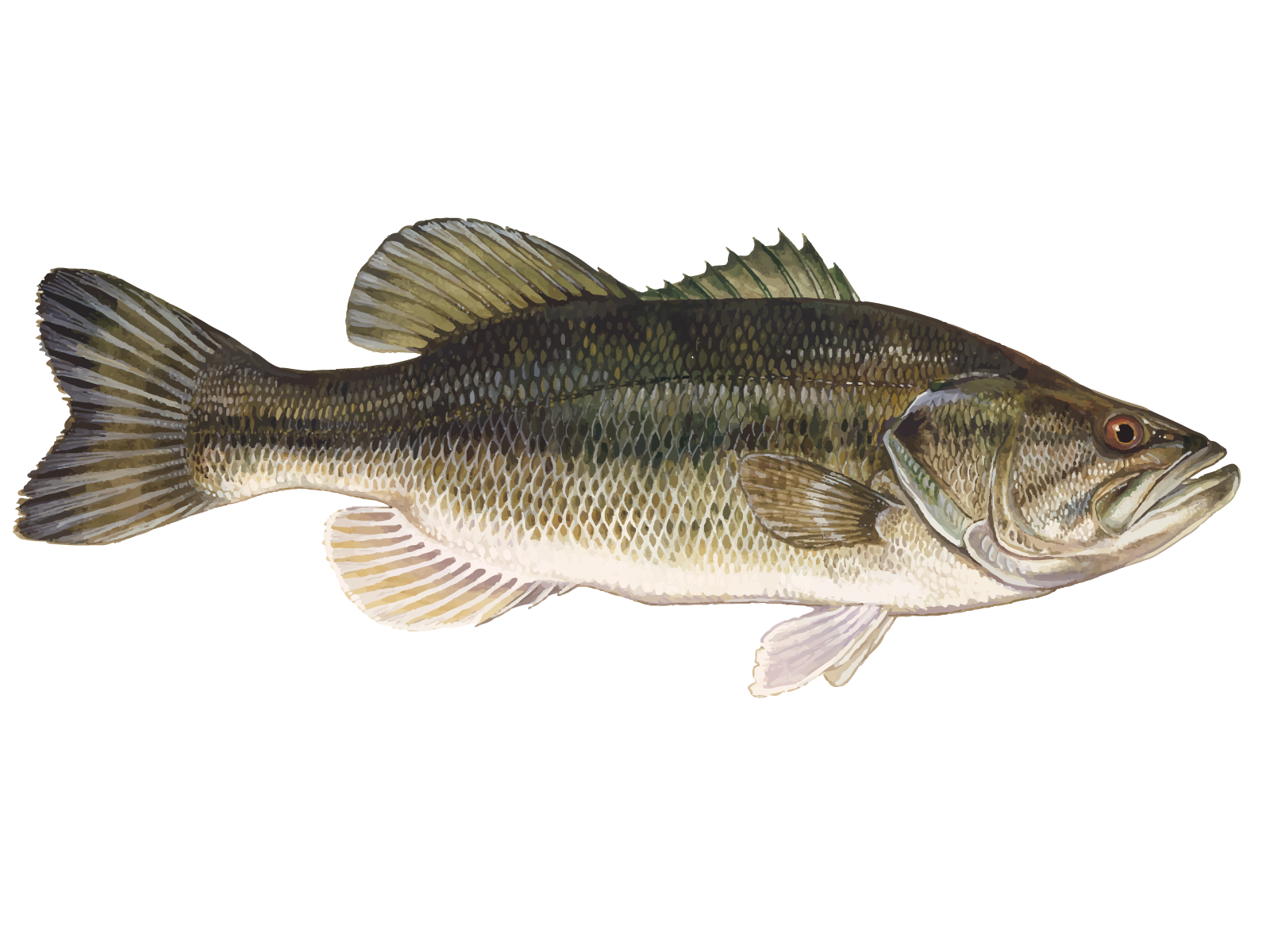 Largemouth Bass
- Half-day bass fishing with Captain Thomas on Orlando waters
- All gear included, accommodates up to 6 people maximum
- Family-friendly trip targeting largemouth bass and panfish species
Trip Pricing and Availabilities:
Half Day Bass Fishing Near Orlando
Looking to escape the theme park madness and get some real Florida fishing in? This half-day guided bass trip puts you right where the action is - on Central Florida's best largemouth waters. Captain Thomas knows these lakes like the back of his hand, and he's ready to put you on fish whether you're bringing the kids for their first cast or you're a seasoned angler wanting to try some new spots. We're talking about genuine Florida bass fishing here, not some tourist trap. You'll be working real structure, real cover, and going after fish that'll make your day.
What to Expect on the Water
This top-rated charter kicks off in the afternoon when the bite starts picking up and the Florida sun isn't quite so brutal. Perfect timing for families with young ones or anyone who wants to sleep in a bit before hitting the water. Thomas provides all your tackle, rods, and artificial baits - you just need to show up ready to fish. If you want to go with live shiners or wild shiners (and trust me, the bass love them), just give him a heads up after booking and he'll have them ready. The boat comfortably handles your party of two, but there's space for up to six people if you want to bring the whole crew. The price covers two anglers, so it's a solid deal for couples or fishing buddies. Don't forget your Florida fishing license if you're over 15 - you can grab one online or at most bait shops around town.
Techniques and Tackle
We're talking classic Florida bass fishing here - working the grass lines, hitting the lily pads, and finding those sweet spots where the big girls like to hang out. Thomas runs a variety of techniques depending on what the fish are telling us. Some days they want topwater action with buzzbaits and frogs working the thick stuff. Other times we're flipping jigs into heavy cover or working soft plastics along the drop-offs. The lakes around Orlando have incredible structure - submerged timber, grass beds, and shallow spawning flats that hold fish year-round. You'll learn how to read the water, spot the signs, and work your bait where the bass are feeding. This isn't just about catching fish; it's about understanding how these lakes fish and picking up techniques you can use anywhere in Florida. The captain's got everything dialed in, from the right rod action for flipping heavy cover to the perfect retrieve speed for working a spinnerbait through scattered grass.
Species You'll Want to Hook
Largemouth bass are the stars of this show, and Central Florida grows them big and healthy. These fish are aggressive, smart, and absolutely beautiful when they come to the boat. Orlando's lakes produce bass year-round, but they really turn on during the spring spawn when the big females move shallow to bed. Summer fishing means early morning and late afternoon action, while fall and winter can be phenomenal when the baitfish schools are thick and the bass are feeding hard. What makes largemouth so special is their attitude - they'll explode on a topwater bait, strip drag on a deep crank, or crush a jig in heavy cover. You never know what you're going to get, but when a four or five-pound Florida bass loads up your rod, you'll understand why people get addicted to this. The lakes around Orlando also hold some solid panfish - bluegill, shellcracker, and speckled perch that are perfect for kids or anyone who just wants steady action. These fish are abundant, eager to bite, and make for great table fare if you want to take a few home for dinner.
Time to Book Your Spot
This customer favorite fills up fast, especially during the cooler months when the fishing really heats up. Thomas has built a reputation for putting clients on fish while making sure everyone has a great time on the water. Whether you're introducing kids to fishing, planning a guys' trip, or just need a break from the Orlando tourist scene, this half-day adventure delivers exactly what you're looking for. The afternoon timing works perfectly with most travel schedules, and you'll still have time for dinner somewhere with a great fish story to tell. Book today and get ready for some world-class Florida bass fishing right in your backyard. Central Florida's lakes are loaded with fish, the guide knows where to find them, and all you need to do is show up ready to have a good time on the water.
Learn more about the species
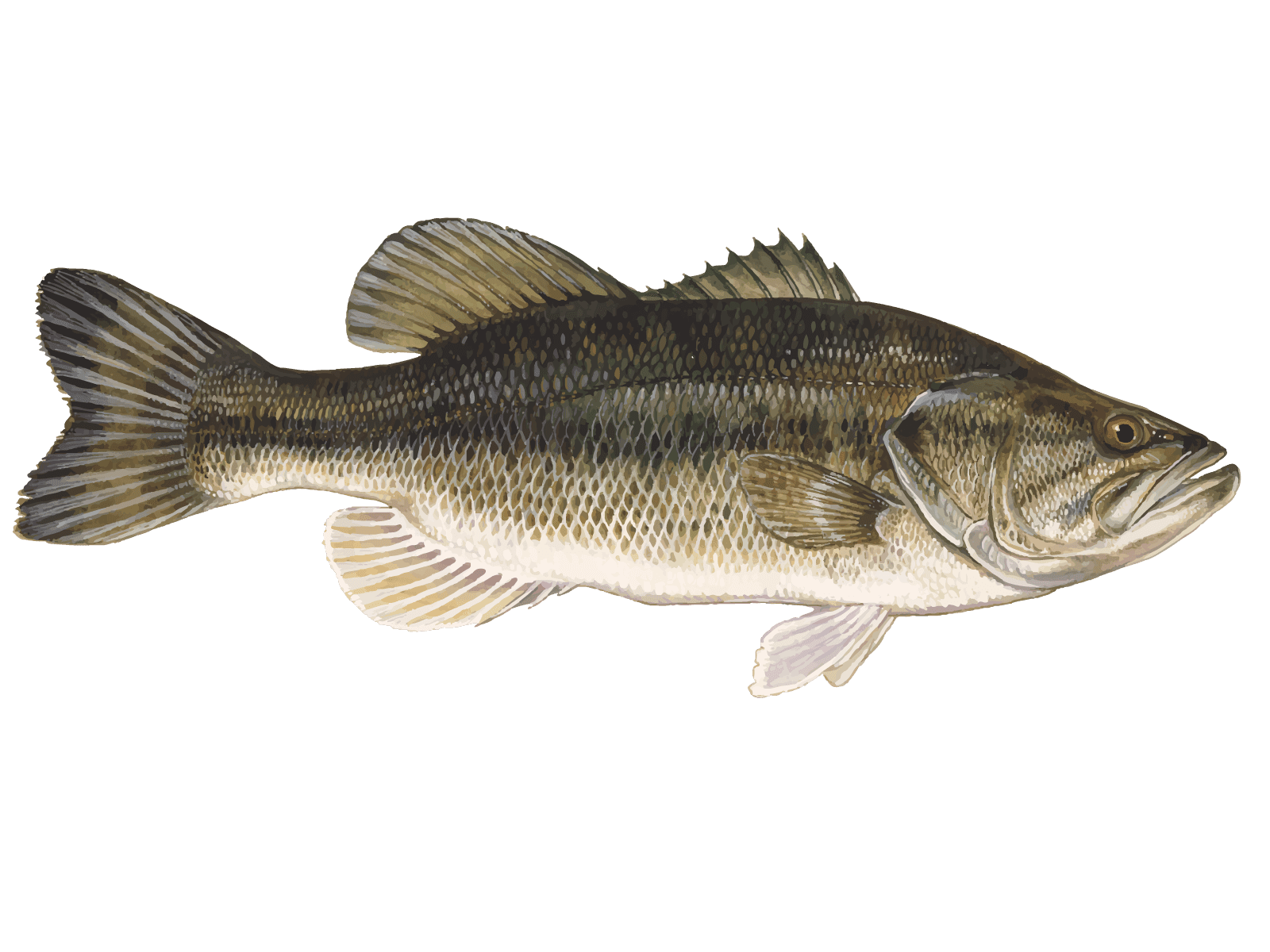
Largemouth Bass
Largemouth bass are the kings of Central Florida's freshwater fishing scene. These green-bodied fighters typically run 12-24 inches and pack serious attitude when hooked. You'll find them hanging around submerged logs, thick grass beds, and shallow cover where they can ambush prey. That massive mouth isn't just for show - they'll crush everything from bluegill to frogs. Spring through fall are prime time, especially early morning and late afternoon when they're actively feeding. What makes largemouth special? They fight like crazy, jumping and diving to shake your hook. Plus, they're great eating when caught from clean water. Here's a local tip: throw something red - these bass have a thing for that color and it triggers aggressive strikes even when they're not actively feeding.
About the Center Console
%2F%2Fusers%2Ffccc32d9-41f4-40a2-8cef-1cecac8636b5%2Fboat_picture%2Fboat.jpg&w=1920&q=75)
Vehicle Guest Capacity: 4
Manufacturer Name: Mercury
Maximum Cruising Speed: 40
Number of Engines: 1
Horsepower per Engine: 115